Thinking about renovating before you list your Coral Gables home? In a market where buyers expect designer finishes, clean inspection reports, and easy indoor outdoor living, a smart pre-sale plan can be the difference between a quick, strong offer and weeks of price resistance. You want to invest where it counts, avoid permit delays, and keep the timeline tight. This guide gives you a clear, Coral Gables specific roadmap, from ROI-backed projects to permitting, funding, and execution. Let’s dive in.
Why a Coral Gables plan matters
Coral Gables sits in a premium tier of Miami-Dade. Buyers in this segment look for turnkey homes with refined finishes, high-function outdoor spaces, and resilient systems. Many are all-cash or out-of-state and international profiles who value speed, privacy, and low-maintenance living. That preference for move-in ready makes targeted, fast-impact updates especially effective. The local luxury segment has been strong, and price thresholds continue to rise across South Florida’s top brackets, which reinforces the value of curated preparation that meets buyer expectations. See context from the Miami Association of Realtors on luxury demand and thresholds in their latest report.
The takeaway for sellers is simple. Right-size your scope to neighborhood standards, lean into polished cosmetic updates and resilience features, and skip speculative overbuilds that comps do not support.
High-ROI projects that work here
Use national Cost vs Value benchmarks as your starting point, then adjust for Coral Gables price band and design language. Explore project stats and costs at Remodeling’s Cost vs Value report.
Fast cosmetic wins
Start with upgrades that photograph beautifully and avoid structural permits.
- Whole-house interior paint in a neutral palette
- New lighting and modern switches, dimmers, and door hardware
- Flooring refinishing or targeted replacement to create a cohesive look
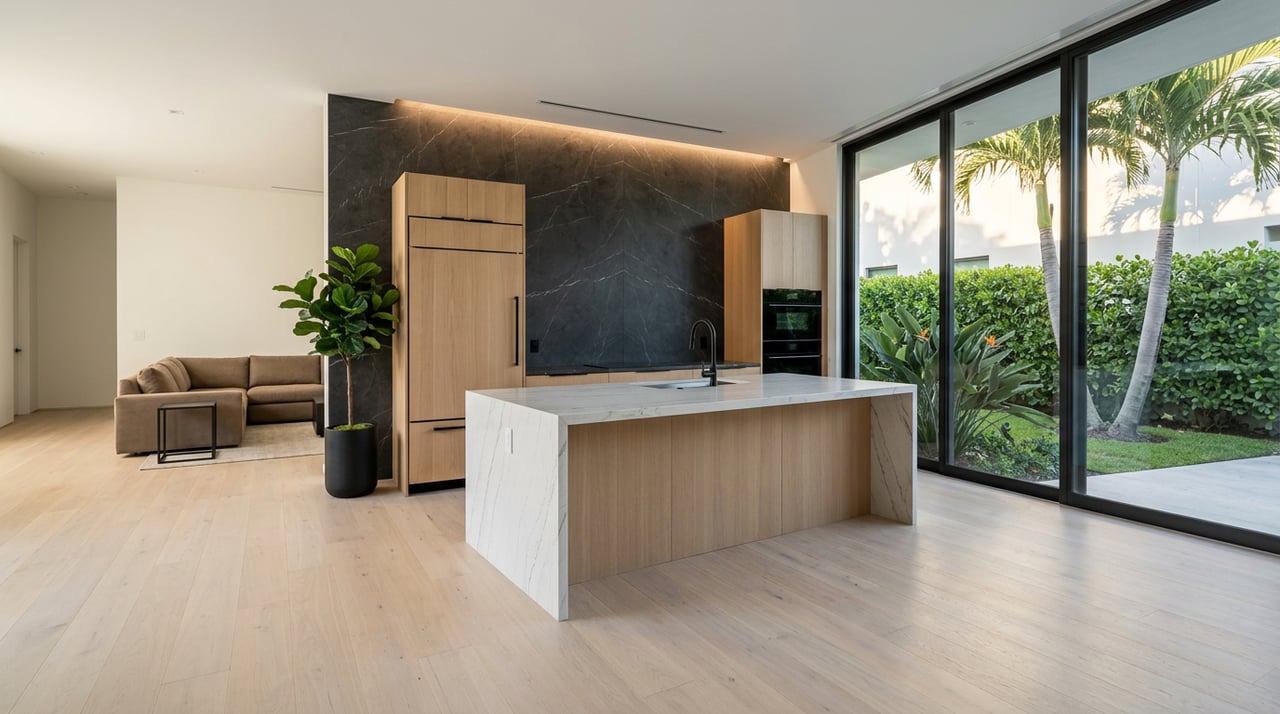
- Minor kitchen refresh with cabinet refacing or new doors, quartz counters, modern plumbing fixtures, and updated appliances
Cost vs Value shows a minor midrange kitchen remodel recoups about 113% on average. In Coral Gables, a tasteful refresh aligned with neighborhood finish levels often supports faster offers.
Curb appeal and entry
First impressions sell. Nationally, garage door replacement averages about 268% recouped and a steel entry door about 216%. Even if your architecture calls for a wood or impact-rated custom door, the principle holds. Clean hardscape, fresh landscaping, and a crisp exterior paint scheme set the tone before a buyer steps inside.
Systems and resilience buyers value
Miami-Dade’s hurricane risk puts resilience near the top of buyer checklists.
- Impact-rated windows and doors that meet High Velocity Hurricane Zone standards
- Reliable HVAC with clean maintenance records
- Standby power generator, which shows a national recoup near 95% and adds peace of mind in storm season
When replacing openings, require Miami-Dade Notices of Acceptance or Florida Product Approvals listed for HVHZ. You can verify approved products through Miami-Dade’s Product Control listings.
Bathrooms that feel new
Midrange bathroom updates often return about 80% of cost on average. Swap dated tile and fixtures for clean-lined materials, improve lighting, and create a modern shower experience in the primary suite. In luxury price bands, consistency and execution quality matter more than an ultra-custom design.
What to skip or scale back
Large luxury additions or hyper-personal designs can be hard to recoup unless they are standard in your micro-neighborhood. Use recent local comps and your advisor’s pricing model to confirm whether a full custom kitchen or new primary wing is necessary to reach your target list price.
Permits, historic review, and HVHZ rules
Check permits early
Coral Gables requires electronic plan submittals for most building and development permits. Start with the city’s Development Services portal to confirm what your scope triggers and to file early. You can review processes and submit online through the city’s Apply and Search Permits page.
Historic homes need extra steps
If your property is individually designated or within a local historic district, exterior changes that are visible from the street usually require a Certificate of Appropriateness and a board review before you can pull building permits. That review can affect design, materials, and timing. Interior work is typically less restricted, but confirm before you begin. Learn more through the city’s Historic Preservation program.
What typically needs a permit
- Window and door replacements
- Roofing
- Pool work and major hardscape or driveway changes
- Structural reconfigurations and new additions
Cosmetic interior updates like paint, lighting swaps, and floor refinishing usually do not require building permits. When in doubt, check with Development Services to avoid delays or fines.
HVHZ product approvals
Miami-Dade is in the High Velocity Hurricane Zone. Products for openings must carry a Miami-Dade NOA or Florida Product Approval listed for HVHZ. Do not purchase or install products without proper approvals, or you risk inspection failure and rework. You can confirm approvals using Miami-Dade’s Product Control search.
Flood and sea-level considerations
Many buyers ask about flood zones and mitigation. Be ready to disclose your property’s flood zone and any resilience improvements like elevated mechanicals or flood barriers. You can look up your property’s flood zone at FEMA’s Flood Map Service Center. For broader local context, Coral Gables shares resources on sea-level and stormwater planning through its Sustainability pages.
Permit timing to expect
Simple residential permits can move quickly if submittals are complete. Historic board reviews and structural scopes can add several weeks to months. Many local pros advise building 4 to 8 weeks for permit review, plus construction time, and contingency days for any required historic hearings.
Budgeting and financing options
Use data to set your scope
Ask your listing advisor for a conservative pricing model that shows expected price lift from your planned updates. Cross-check with Remodeling’s Cost vs Value benchmarks to avoid overcapitalizing. Translate recoup percentages into dollars and keep a contingency for permitting or lead-time surprises.
Concierge-style funding
Programs like Compass Concierge can front funds for qualifying home preparation, with repayment due at closing, termination, or a set date. Eligible services often include painting, flooring, light kitchen and bath refreshes, landscaping, staging, and photography. Terms vary by market. Review scope, repayment, and any fees with your advisor first. See the program overview at Compass Concierge.
Other ways to fund larger work
If you are planning bigger-ticket items that fall outside concierge scope, options can include a short-term renovation loan, bridge financing, a HELOC, or seller funds. For guidance on typical cost ranges and budgeting, review a high-level remodel cost primer like this resource from AmeriSave’s learning center on home remodeling costs. Always align funding with your expected net proceeds.
Step-by-step roadmap and timeline
Follow a coordinated plan to keep quality high and time-to-market short.
- Advisor consult and market analysis, week 0 to 1
- Define target buyer profile and price band.
- Decide which rooms and features to prioritize.
- Pre-listing inspection, week 1
- Identify any roof, HVAC, electrical, or plumbing issues that could stall a deal.
- Fix critical items first to avoid credits later.
- Historic and permit checks, weeks 1 to 3
- Confirm whether a Certificate of Appropriateness is required for exterior work.
- Use Coral Gables electronic submittal and start early if a COA is needed.
- Scope and quotes, weeks 2 to 4
- Lock a written scope and finishes list.
- Get three competitive quotes and confirm lead times.
- For windows and doors, collect product approvals for HVHZ.
- Permits and procurement, weeks 4 to 12 plus
- Submit permits and COA as needed.
- Order long-lead items like custom doors, windows, and appliances.
- Construction and staging, variable
- Cosmetic refresh, 1 to 2 weeks
- Minor kitchen and midrange baths, 2 to 6 weeks
- Larger remodel or structural work, 8 to 16 plus weeks, inspections included
- Professional staging and photography, final 1 to 2 weeks before listing
- Market launch and strategy
- Your advisor coordinates showings, open houses, and pricing adjustments based on feedback.
- Closing and repayment
- If you used a concierge program, confirm repayment from proceeds per the program terms.
Sample scopes and ballpark budgets
- Minor kitchen refresh with refacing, new counters, appliances, 25,000 to 45,000, Remodeling median about 28,500
- Midrange bathroom refresh, 15,000 to 40,000
- Exterior paint and landscaping refresh, 5,000 to 25,000
- Impact windows and doors, varies by size and spec, must meet HVHZ approvals
- Staging, median about 1,500, professional photos and floor plans about 500 to 1,500
Staging, photos, and launch
Staging is one of the fastest ways to influence buyer perception and pricing. The National Association of Realtors reports that staging can boost offers by 1 to 10 percent and reduce time on market, with a modest median cost. Prioritize the living room, primary bedroom, and kitchen first, then layer in accessories and outdoor vignettes. See highlights from NAR’s staging report in their newsroom.
Avoid these pitfalls
- Starting exterior work without confirming whether a historic COA is required
- Over-improving beyond neighborhood comps and expected finishes
- Ordering non-HVHZ windows or doors that will fail permitting and inspections
- Underestimating lead times for custom openings and appliances
- Skipping a pre-listing inspection that could surface deal-killing issues late
Ready to maximize your sale?
If you want a turnkey, data-driven plan that protects time and margin, partner with a team that blends luxury marketing with hands-on renovation management. From scope and finishes to permits, Compass Concierge coordination, staging, and launch, The Vitalano Group’s SynergyROI approach is built to move your Coral Gables home to market with confidence. Schedule your next step with The Vitalano Group.
FAQs
Which renovations add the most resale value in Coral Gables luxury?
- Nationally, minor kitchen refreshes, curb appeal upgrades like garage and entry doors, midrange bath updates, and resilience features such as impact openings and standby generators show strong ROI, then adjust to match Coral Gables neighborhood standards.
Do I need a permit to replace windows and doors in Coral Gables?
- Yes, window and door replacements require permits and HVHZ approved products, and historic properties also need a Certificate of Appropriateness for visible exterior changes before permits are issued.
How does Compass Concierge help sellers fund prep work?
- Eligible improvements can be funded upfront with repayment at closing or another trigger, and the program typically covers fast-impact projects like painting, flooring, light kitchen and bath refreshes, landscaping, and staging.
How long do permits usually take in Coral Gables?
- Simple scopes can clear quickly if complete, while historic reviews and structural projects often need 4 to 8 weeks or more for review, plus construction time and inspections.
What if my Coral Gables home is historic?
- Most exterior changes visible from the street need a Certificate of Appropriateness and board review that can influence materials, colors, and timelines, while interior work is usually less restricted.
Are generators worth it for resale in Miami-Dade?
- Generators can be compelling in a hurricane zone and show near 95 percent cost recoup nationally, so they often help marketing and reduce buyer risk perception, especially for high-end homes.