What if your morning coffee came with glassy Intracoastal water views and your evening plans were a quick boat ride to dock-and-dine? If you are exploring a home in Boynton Beach near the ocean, ICW, or a canal, you are likely weighing lifestyle and logistics. This guide breaks down how waterfront living here really feels, what it costs to maintain, and how to choose the right property type for your goals. You will also get a practical checklist and trusted resources to verify details before you buy. Let’s dive in.
The waterfront lifestyle, day to day
Living on the water in Boynton Beach centers your routines around the ocean and the Intracoastal. You can expect more time outside, easy access to boating and beaches, and a community that wakes up early for sunrise and stays out for golden hour.
Oceanfront rhythm
If you live oceanfront, you get direct Atlantic exposure and sunrise views that feel like a private show. Daily life can include morning beach walks, surf checks, and sea breezes through your balcony doors. You will also deal with more salt spray, wind, and sun, which means more frequent care for exterior finishes and outdoor furniture.
Intracoastal and canal life
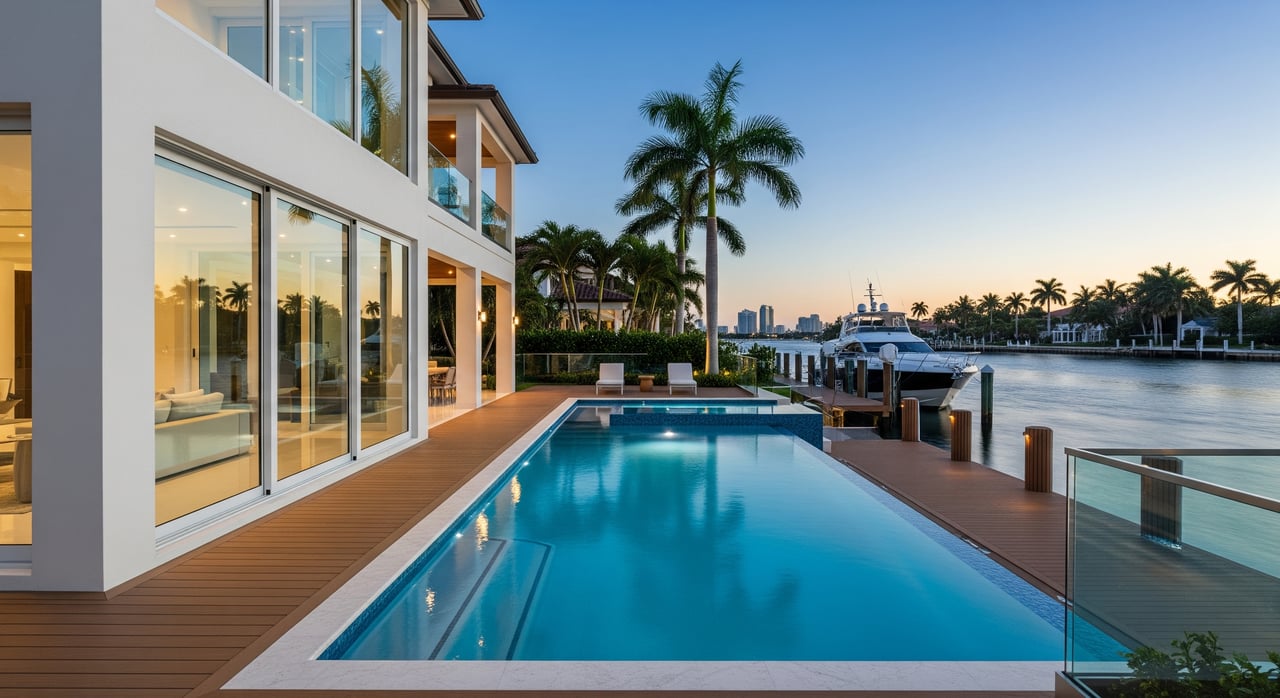
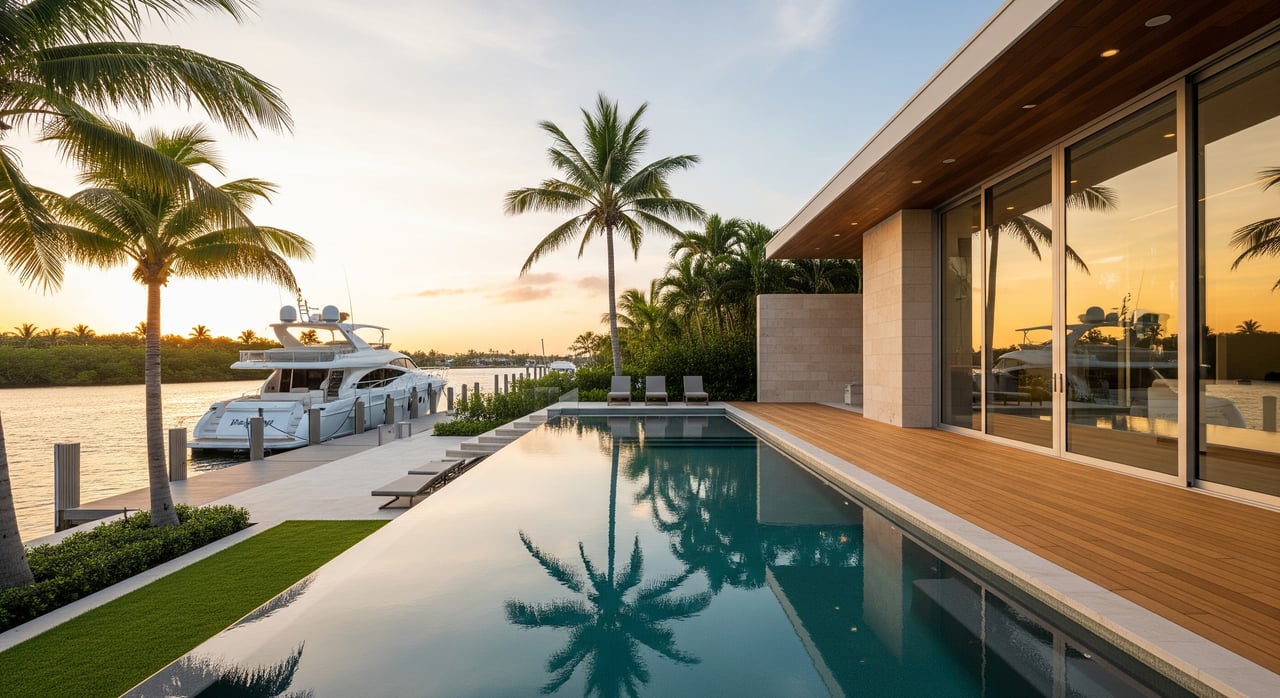
Homes on the Intracoastal Waterway or a navigable canal put you on the water, often with dock access. You might launch paddleboards before breakfast, take a sunset cruise, or host friends for a dockside dinner. Boaters value the ability to reach the ocean, but actual travel time depends on channel depth, bridge clearances, and inlet conditions that can change with dredging schedules.
Near‑water convenience
You can still live steps from beaches or canals without the full responsibility of a seawall and dock. Near‑water homes often carry lower maintenance and insurance costs while keeping you close to waterfront parks, marinas, and restaurants. It is a smart middle ground if you want the lifestyle more than the boat logistics.
What types of homes you will see
Waterfront and near‑water options in Boynton Beach range from lock‑and‑leave condos to single‑family estates with private docks. Each has tradeoffs in access, upkeep, and cost.
Oceanfront homes and condos
Oceanfront delivers the most dramatic views and typically commands premium pricing. Buildings and homes here face stricter structural standards and higher maintenance needs due to direct exposure. If you want a turnkey setup, many oceanfront condos offer on‑site staff and amenities, which can simplify ownership.
Intracoastal or inlet frontage
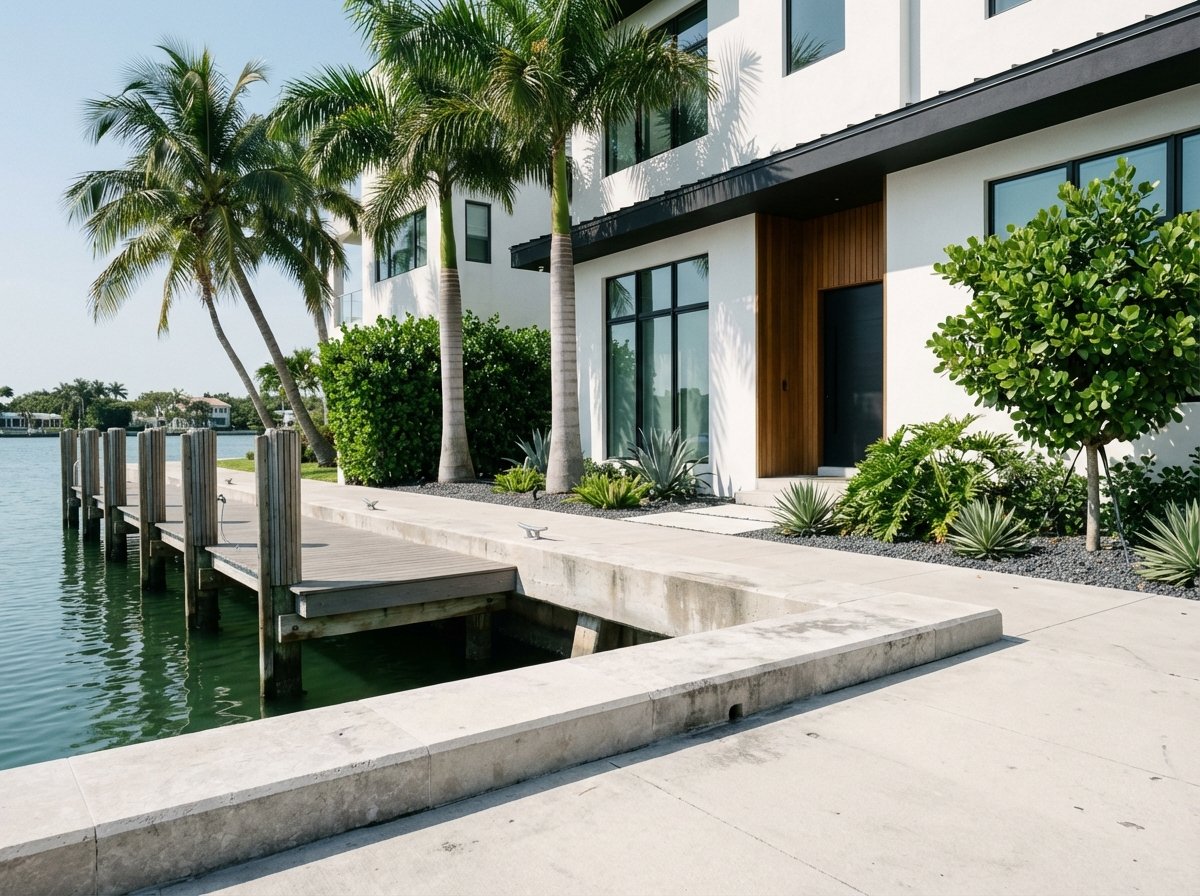
Properties on the Intracoastal or near the inlet can offer faster ocean access, subject to bridge heights, draft limits, and current channel conditions. These homes tend to be favorites for committed boaters. Expect to evaluate dock dimensions, lift capacity, and the age and condition of the seawall in detail.
Canal‑front single‑family homes
Canal homes vary widely by canal width and depth. Many suit small to mid‑size boats, but the specifics matter. You will want to confirm the permitted boat size, lift specs, and any fixed bridge constraints before you buy. Canal living offers privacy and easy paddle access with fewer wakes than the wider ICW.
Waterfront condos and townhomes
This is a common choice for buyers who want water views and amenities with lower day‑to‑day upkeep. Some communities offer shared docks or lifts. Rules and availability vary, so review HOA covenants, slip allocation policies, and fees before you plan on a boat.
Near‑water neighborhoods
Homes within walking distance of the beach or ICW trails let you embrace the coastal lifestyle without owning shoreline. You can enjoy beach parks and waterfront dining while typically reducing your long‑term maintenance and insurance exposure.
Boating access and local realities
Your boating experience depends on more than your backyard. It is shaped by bridges, channel depths, seasonal demand for slips, and dredging.
- Check current inlet and channel conditions through the U.S. Army Corps of Engineers navigation updates, since dredging and federal channels affect draft and access.
- Review local marina and ramp information and city permits via the City of Boynton Beach. Slip demand rises in peak season, and policies vary by facility.
- For day‑to‑day planning, use NOAA sea level and tide tools to understand tides and seasonal patterns that can influence clearance and water levels.
If you are new to the area, call marina managers to confirm bridge heights, fuel options, and seasonal slip availability. Avoid assumptions until you have up‑to‑date answers for your boat size and draft.
Costs and maintenance to plan for
Waterfront living is rewarding, but it brings specific upkeep and risk management. Budget for preventive care and periodic capital projects.
Seawalls, docks, and salt‑air wear
- Seawalls and docks need regular inspection and, over time, repair or replacement. Ask for service records and engineering reports.
- Salt air accelerates corrosion on HVAC, railings, locks, and metal fixtures. Plan for shorter replacement cycles and proactive maintenance.
- In condos or HOAs, factor in association fees and potential special assessments for seawall or dredging work.
Improvements to docks or lifts typically require permits. Review local rules through the City of Boynton Beach and state rules with the Florida Department of Environmental Protection coastal permitting.
Insurance, flood zones, and elevation
- Standard homeowners insurance does not cover flood. If the property is in a FEMA Special Flood Hazard Area, lenders usually require a flood policy. Verify the flood zone with the FEMA Flood Map Service Center and ask for the property’s elevation certificate.
- In Florida, wind and hurricane deductibles and market dynamics can affect premiums and availability. For current guidance, consult the Florida Office of Insurance Regulation and a licensed local agent.
- Elevation and construction features, such as impact glass and roof age, can influence both underwriting and cost. Higher‑risk locations often mean higher premiums.
Property taxes and assessments
Assessed values are typically higher for direct waterfront, which can increase property taxes. Review parcel records and history through the Palm Beach County Property Appraiser. Ask about any area‑specific assessments for seawalls or dredging that could affect carrying costs.
Seasons, storms, and readiness
Boynton Beach enjoys mild winters and vibrant beach weather, with a busy visitor season when restaurants, marinas, and charters fill up. Hurricane season runs from June 1 to November 30, so a simple preparedness plan matters.
- Install or verify storm protection such as shutters or impact glass.
- Know where you will store or secure your boat. Some owners haul out, others use safe moorings.
- Keep a supplies checklist, confirm evacuation routes, and review community storm plans.
Use NOAA sea level and tide tools for tides and seasonal patterns, and rely on official local updates for storm guidance.
Waterfront vs near‑water: a practical checklist
Bring this checklist to showings and request documentation early. It will save you time and surprises later.
- Confirm water type and legal access: oceanfront, Intracoastal, canal, or lagoon.
- Dock specifics: ownership, slip size, permitted lift capacity, and the age and condition of the seawall.
- Ask for recent survey and elevation certificate; verify flood zone at the FEMA Flood Map Service Center.
- Review HOA covenants, slip allocation rules, fees, and short‑term rental policies.
- Check recorded easements or deed restrictions that affect water access.
- Call marinas about channel depth, dredging frequency, and bridge clearances; confirm fit for your boat.
- Inspect for salt‑related wear, roof condition, and exterior finishes.
- Clarify storm prep practices and where boats are secured in a storm.
- Review assessed values and tax history through the Palm Beach County Property Appraiser.
- Confirm local permitting requirements with the City of Boynton Beach and state rules via the Florida Department of Environmental Protection coastal permitting.
Who thrives in each option
- Oceanfront: You prioritize views, beach access, and a lock‑and‑leave lifestyle, and you are comfortable with higher maintenance and insurance.
- Intracoastal or inlet frontage: You are a committed boater who values faster ocean access and is ready to manage dock and seawall care.
- Canal‑front: You want privacy and protected water for small to mid‑size boats, with careful attention to bridge and draft limits.
- Waterfront condo or townhome: You prefer lower upkeep and shared amenities, possibly with access to community docks.
- Near‑water: You want the coastal lifestyle without owning shoreline and prefer simpler maintenance and potentially lower premiums.
Work with a team that makes it seamless
Choosing the right Boynton Beach waterfront or near‑water home is part lifestyle, part logistics. You want clear answers about access, permitting, resilience, and long‑term costs, plus a strategy for upgrades that protect value. Our team pairs boutique, white‑glove service with the technical rigor coastal property demands, from due diligence through design‑forward improvements that elevate your investment.
Ready to explore? Request a Private Consultation with The Vitalano Group to map your options and move confidently.
FAQs
What types of waterfront homes are in Boynton Beach?
- You will find oceanfront condos and homes, Intracoastal and inlet‑front residences with docks, canal‑front single‑family homes, waterfront condos and townhomes with shared facilities, and near‑water homes within walking distance of the beach or ICW.
How does flood insurance work for Boynton Beach waterfront homes?
- Standard homeowners insurance does not cover flood; if a property is in a FEMA Special Flood Hazard Area, lenders usually require a flood policy, which you can research via the FEMA Flood Map Service Center.
What should I check about docks and seawalls before buying?
- Ask for dock permits, lift specs, and seawall age and maintenance records, confirm permitted boat size and any bridge limits, and review local permitting with the City of Boynton Beach and the Florida Department of Environmental Protection coastal permitting.
How do tides, bridges, and dredging affect boat access in Boynton Beach?
- Tides and bridge clearances can limit timing and boat height, and dredging schedules influence channel depth, so verify real‑time conditions with marinas, check NOAA sea level and tide tools, and review updates from the U.S. Army Corps of Engineers.
Where can I review taxes and assessed values for a specific property?
- Use the Palm Beach County Property Appraiser for parcel records, assessed values, and tax histories, then confirm any local assessments tied to seawalls or dredging with the city or HOA.