On the water, not all improvements are equal. If you own or plan to sell a Boca Raton waterfront home, you want upgrades that protect your shoreline, elevate your lifestyle, and stand up to local rules. This guide shows you which projects most often add value, what to expect with permitting in Palm Beach County, and how to plan for cost, timing, and hurricane resilience. Let’s dive in.
Waterfront upgrades that add value
Dockage that attracts boaters
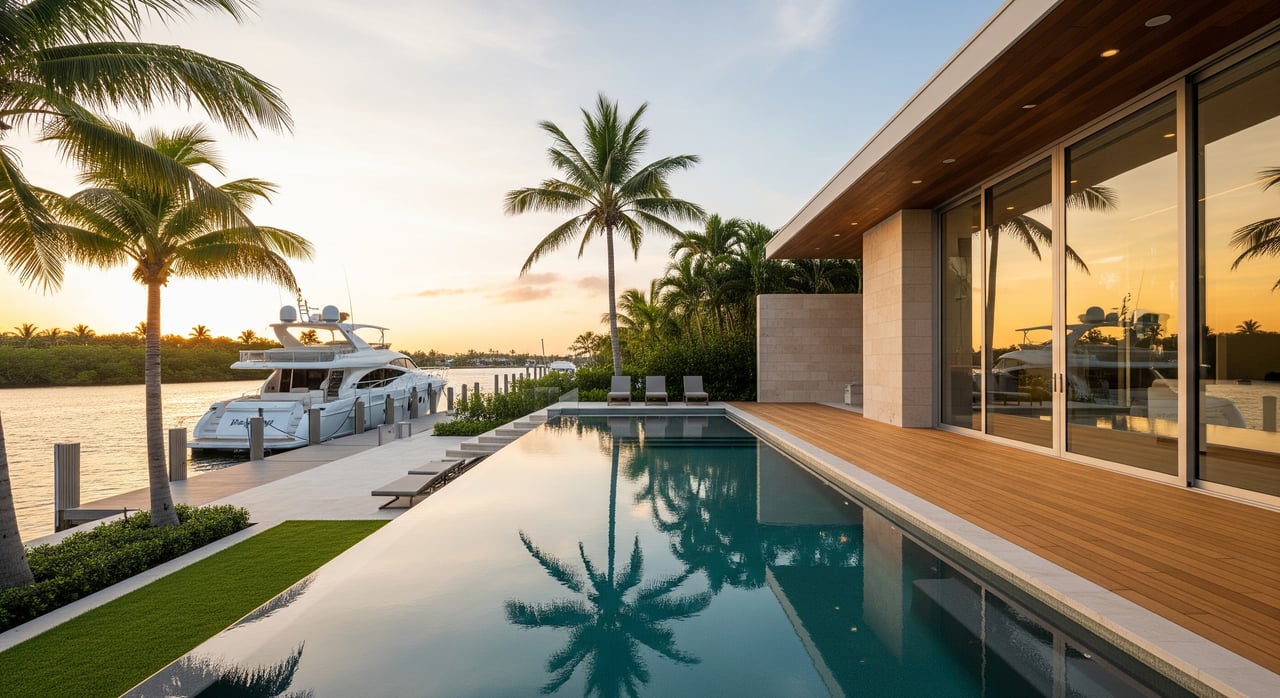
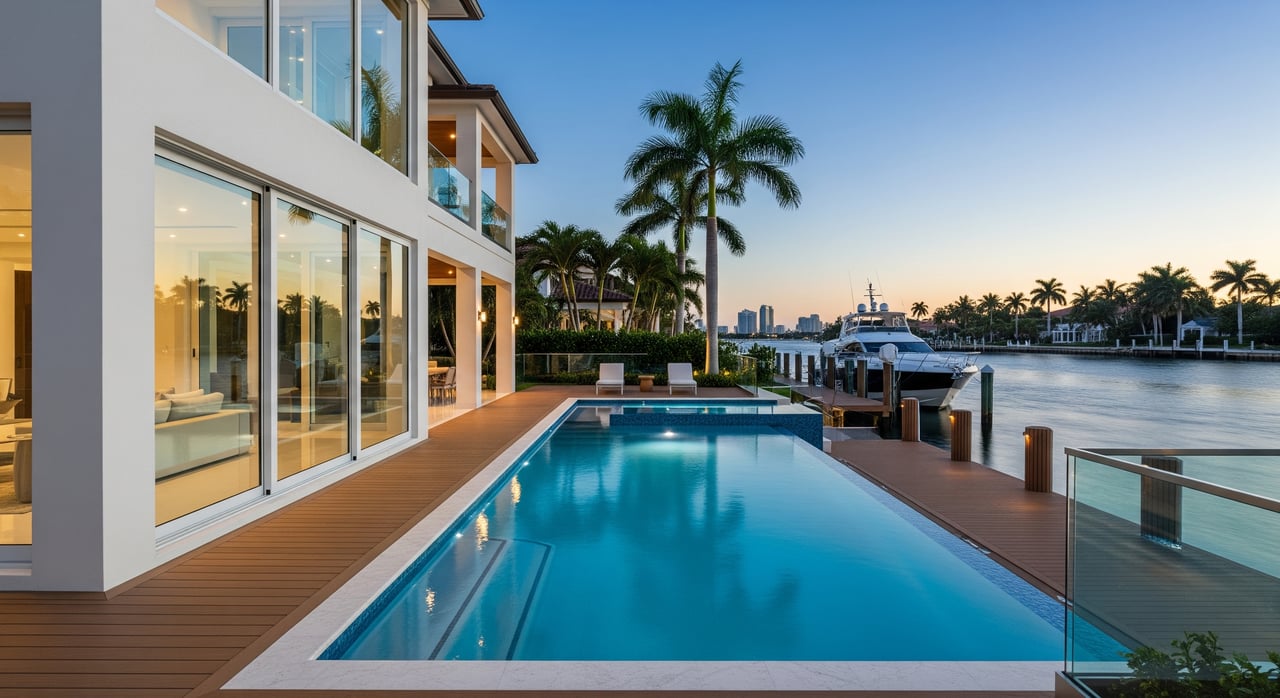
A permitted private dock is one of the most direct value-adds in Boca Raton. Buyers who boat pay for safe, easy access, and even non-boaters love the lifestyle and entertaining potential. Typical dock scopes include fixed or floating docks, finger piers, boat lifts, shore power, potable water, and lighting.
Costs vary by size and complexity. A small basic dock often runs into the low tens of thousands. Larger custom docks with lifts and utilities can be much higher. Boat lifts commonly start in the mid-five figures, depending on size and capacity. Composite decking increases upfront cost but reduces maintenance compared to wood.
Permits are common and can involve city, county, state, and federal agencies. Electrical on or near the water must meet code and be installed by licensed professionals. A permitted, well-built dock reduces buyer uncertainty and can help your home sell faster. Unpermitted or failing docks often lead to price reductions or repair requirements before closing.
Seawalls buyers can trust
A sound seawall is foundational for waterfront value. It protects your lot from erosion and flooding and gives buyers confidence. Work can range from tieback or cap repairs to full replacement, toe protection, and scour control.
Costs are highly variable and depend on materials, length, and site conditions. Accurate estimates require engineering input and local bids. Seawalls should last for decades if built to code and maintained, though saltwater and waves accelerate wear.
Most seawall projects need engineering plans and permits. Lenders and insurers often ask for seawall certification or proof of recent work, so getting ahead of issues can support financing and coverage.
Outdoor living with water views
Covered lanais, outdoor kitchens, and well-planned hardscaping turn the view into everyday living space. In South Florida, you use these areas almost year-round, which broadens buyer appeal.
Scope can range from a grill island upgrade to full outdoor kitchens, roofed lanais or screen enclosures, built-in seating, and elevated decking. Smaller upgrades can be mid-four figures; complete kitchens and structures often land in the mid-five to six figures. Selecting marine-grade finishes and appliances helps control maintenance.
Structural additions and utility connections typically require permits. If projects are near the water or within buffer areas, you may need environmental review. Properly permitted outdoor spaces usually command a premium.
Lighting and shore power
Thoughtful lighting extends enjoyment into the evening and improves safety on pathways and docks. Low-voltage LED systems, navigational and cleat lighting, and GFCI-protected shore power are common.
Budgets range from a few thousand dollars to tens of thousands depending on scale and wiring complexity. Electrical work must meet code and be permitted. Fixture placement may be shaped by nighttime light spill and wildlife considerations.
Smart pool systems
Pool automation adds convenience and reduces perceived maintenance. Popular upgrades include variable-speed pumps, automated controllers, remote monitoring, salt systems, and safety features.
Automation modules are often a few thousand dollars. Larger retrofits can reach the mid-four to five figures. Electrical and plumbing permits apply, and you must maintain pool safety compliance. These features do not add as much value as a dock or seawall, but they do improve marketability.
Permitting in Boca Raton and Palm Beach County
Waterfront work here can involve multiple agencies. You will typically coordinate with the City of Boca Raton for building and zoning, Palm Beach County Environmental Resources Management for coastal/environmental aspects, the Florida Department of Environmental Protection for state-level resource permitting, and the U.S. Army Corps of Engineers for projects affecting navigable waters or wetlands. HOA or deed restrictions may also apply.
Key issues to understand:
- Mangroves and seagrasses are protected. Trimming, removal, or impacts generally require permits and can require mitigation.
- Many dock and seawall projects need stamped engineering plans and, at times, geotechnical reports.
- All structures must meet Florida Building Code and local floodplain standards. Electrical on docks must meet code and pass inspection.
- FEMA flood maps, elevation certificates, and local ordinances can influence project design and insurance.
Timelines vary. Simple repairs may permit in a few weeks. Full replacements or projects with environmental review can take several months. Start early and plan around agency backlogs and hurricane season.
Plan for ROI and resilience
Sequence your work for impact and safety:
- Address structural and safety items first: seawall integrity, dock stability, and electrical safety.
- Add core lifestyle features next: dock utilities, lighting, and covered outdoor living.
- Layer in convenience upgrades last: pool automation and fine-tuned landscaping.
Budget with contingencies. Coastal projects can uncover subsurface surprises or require mitigation. A 10 to 25 percent contingency is wise, especially on older properties. Include recurring costs for inspections, coatings, lift service, and electrical maintenance.
Plan for hurricanes. Design to code for wind and flood loads, elevate electrical components where appropriate, consider quick-release hardware for certain dock elements, and have a plan for securing boats and lifts before storms. Saltwater corrosion and rising seas increase the importance of durable materials and regular inspections.
Check insurance and lending early. Major upgrades can affect premiums or coverage eligibility, and waterfront loans may hinge on seawall condition and documented permits.
Costs and timelines at a glance
- Docks and lifts: Small basic docks often fall in the low tens of thousands. Larger docks with lifts and utilities can be much higher. Lifts commonly start in the mid-five figures.
- Seawalls: Costs vary by linear foot, site, and materials. Engineering and local bids are needed for accuracy.
- Outdoor living: Minor upgrades can be mid-four figures; full outdoor kitchens and roofed additions often reach the mid-five to six figures.
- Lighting and shore power: A few thousand dollars to tens of thousands based on scope and wiring.
- Smart pool systems: A few thousand dollars for automation modules; larger retrofits can reach the mid-four to five figures.
Permit timing: Weeks for simple repairs; several months for complex projects with environmental review or multiple agencies.
How to start your project
Set the foundation with due diligence:
- Order a current survey and an elevation certificate if needed.
- Commission a seawall inspection and, if relevant, a marine site assessment for navigability and seabed conditions.
- Verify title items, riparian rights, and any shared dock agreements.
- Review HOA or deed restrictions affecting visible exterior work.
- Discuss insurance impacts with your carrier before you start.
Hire the right team:
- Engage licensed marine contractors, coastal-experienced engineers, and marine-capable electricians.
- Confirm who is handling each permit and how inspections will be documented.
Time your work:
- When possible, schedule major construction outside peak hurricane season.
- Stage upgrades to maintain momentum while waiting on permits.
Explore financing:
- Consider home equity lines, construction loans, or renovation mortgages. Lenders may require permits, inspections, and, for waterfront, seawall documentation.
If you want a turnkey plan to elevate your Boca Raton waterfront’s marketability, our team pairs luxury brokerage with renovation-minded strategy. We help you prioritize high-impact upgrades, align budgets and timelines, and prepare your property for premium presentation and sale. Request a Private Consultation with The Vitalano Group.
FAQs
Do I need permits to rebuild a dock or seawall in Boca Raton?
- Most projects do. Expect city, county, state, and possibly federal permits; start with Boca Raton’s building and zoning and Palm Beach County’s environmental permitting.
How long do waterfront permits take in Palm Beach County?
- Simple permits can be issued in weeks, while projects with environmental review or multiple agencies can take several months, so plan timelines accordingly.
Will a new dock or seawall guarantee a higher sale price in Boca Raton?
- A permitted, well-built structure reduces buyer risk and usually improves marketability and price relative to failing or unpermitted work, though ROI depends on cost and demand.
What materials last longer in saltwater for docks and seawalls?
- Marine-grade stainless or galvanized hardware, appropriately treated piles, composite or tropical hardwood decking, and marine-rated coatings help reduce corrosion and maintenance.
How do hurricanes affect waterfront upgrade decisions in South Florida?
- Design to code for wind and flood loads, elevate electrical components where appropriate, consider quick-release hardware for docks, and have a storm plan for boats and lifts.
Can unpermitted dock or seawall work delay or block a sale?
- Yes. Buyers, lenders, and insurers often require correction, escrow, or proof of permitted repairs before closing.
What financing options can I use for waterfront upgrades in Palm Beach County?
- Home equity lines, construction loans, and renovation mortgages are common, though lenders may require permits, inspections, and seawall documentation.